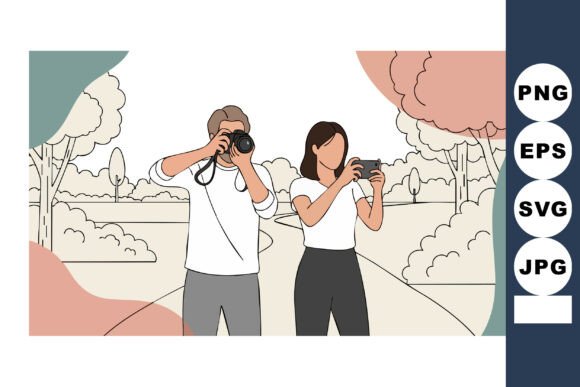
Young Man and Woman Taking Photos with C: Choosing and Using the Right Visual Assets
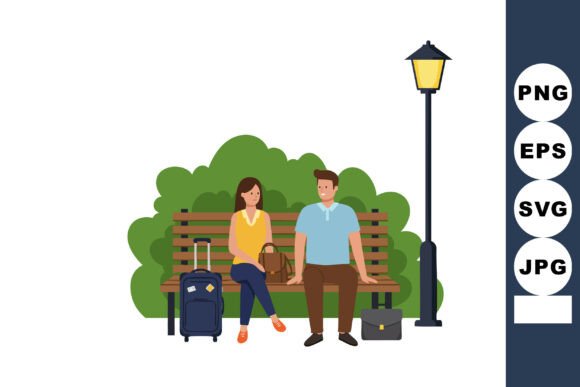
When searching for imagery that conveys creativity, collaboration, and calm focus, the Young Man and Woman Taking Photos with C illustration stands out. It captures a moment of shared purpose in a natural setting, making it ideal for blogs, marketing materials, educational content, or branding visuals. Whether you're a blogger crafting a post about photography tips or a small business owner designing a brochure, this image offers a versatile foundation.
However, selecting and using this image effectively requires more than just downloading and placing it on a page. Many users overlook key details that can impact how the image functions across platforms, how it integrates with other design elements, and how it aligns with their project's tone and audience expectations.
Common Mistakes When Using Young Man and Woman Taking Photos with C
One of the most frequent errors involves choosing the wrong file format without considering the intended use. The downloadable ZIP includes SVG, EPS, JPG, and PNG files — each with specific strengths. For example, using a JPG for a logo that needs transparency will result in a poor visual outcome. Similarly, using an EPS file on a website that only supports PNG or JPG can cause compatibility issues.
Another common oversight is not checking resolution or scale. Vector formats like SVG and EPS maintain quality at any size, making them ideal for print or responsive web design. Raster formats like JPG and PNG, however, can become pixelated when enlarged. Designers sometimes place a low-resolution image into a large banner or poster, only to find the result looks blurry or unprofessional.
How These Mistakes Affect Your Project
Using the wrong file type can lead to wasted time and effort. For instance, if a marketer selects a JPG version of the Young Man and Woman Taking Photos with C image for a mobile app splash screen that requires transparency, they may have to re-source or re-edit the image later, delaying the launch. Similarly, using a low-resolution image in a presentation can undermine credibility, especially in front of clients or investors.
Also, not considering the visual tone of the image in relation to the rest of the design can cause inconsistency. The park setting and relaxed atmosphere of this image may not align with a high-tech or formal brand aesthetic. In such cases, even the best file format won't compensate for a mismatched visual message.
Practical Tips to Avoid These Issues
Start by understanding your project's technical and aesthetic needs. If you're designing for print, SVG or EPS files are ideal due to their scalability. For web use, PNG offers transparency and clarity, while JPG is best for photo-based content where file size matters.
Before downloading, preview the image in different formats if possible. Some platforms allow you to view a preview of the image in various file types, helping you avoid surprises later. Always check the resolution of raster files — aim for at least 150 DPI for print and 72 DPI for web use.
Also, consider how the image fits into your overall visual strategy. The Young Man and Woman Taking Photos with C image works well for content focused on collaboration, nature, or photography. If your brand leans more toward urban or industrial themes, this image may not be the best fit. Instead, look for visuals that reinforce your messaging rather than distract from it.
What to Check Before Downloading or Using This Image
Before committing to the image, verify the licensing terms. Some visual assets are free for personal use but require a commercial license for business applications. Always read the fine print to avoid legal issues later, especially if you're using the image on a product, advertisement, or website with monetization.
Also, ensure the image is well-optimized for performance. Large file sizes can slow down websites or email campaigns. Tools like image compressors or vector simplifiers can help reduce file weight without sacrificing quality. For example, converting an EPS file to SVG with simplified paths can make it load faster on a webpage while maintaining clarity.
Real-World Examples and Better Approaches
Consider a blogger who wants to use the Young Man and Woman Taking Photos with C image in a post about beginner photography tips. If they download the JPG version and place it directly into their blog without optimizing the file size, the page may load slowly, increasing bounce rates. A better approach would be to resize and compress the image using tools like TinyPNG or Photoshop before uploading.
Another example: a freelance designer is creating a logo for a new photography startup. They want to incorporate the Young Man and Woman Taking Photos with C image into the design. Instead of using a raster format, they opt for the SVG version, allowing the logo to scale across business cards, websites, and billboards without quality loss.
Final Thoughts on Using This Visual Asset
The Young Man and Woman Taking Photos with C image is more than just a picture — it's a tool that, when used correctly, enhances communication and visual storytelling. By choosing the right format, checking resolution and licensing, and ensuring visual consistency, you can make the most of this asset across a wide range of applications.
Remember, the goal isn't just to use an image — it's to use it effectively. Whether you're a professional designer or a first-time creator, taking a few extra steps before and after downloading can make a big difference in how your final product looks and performs.